

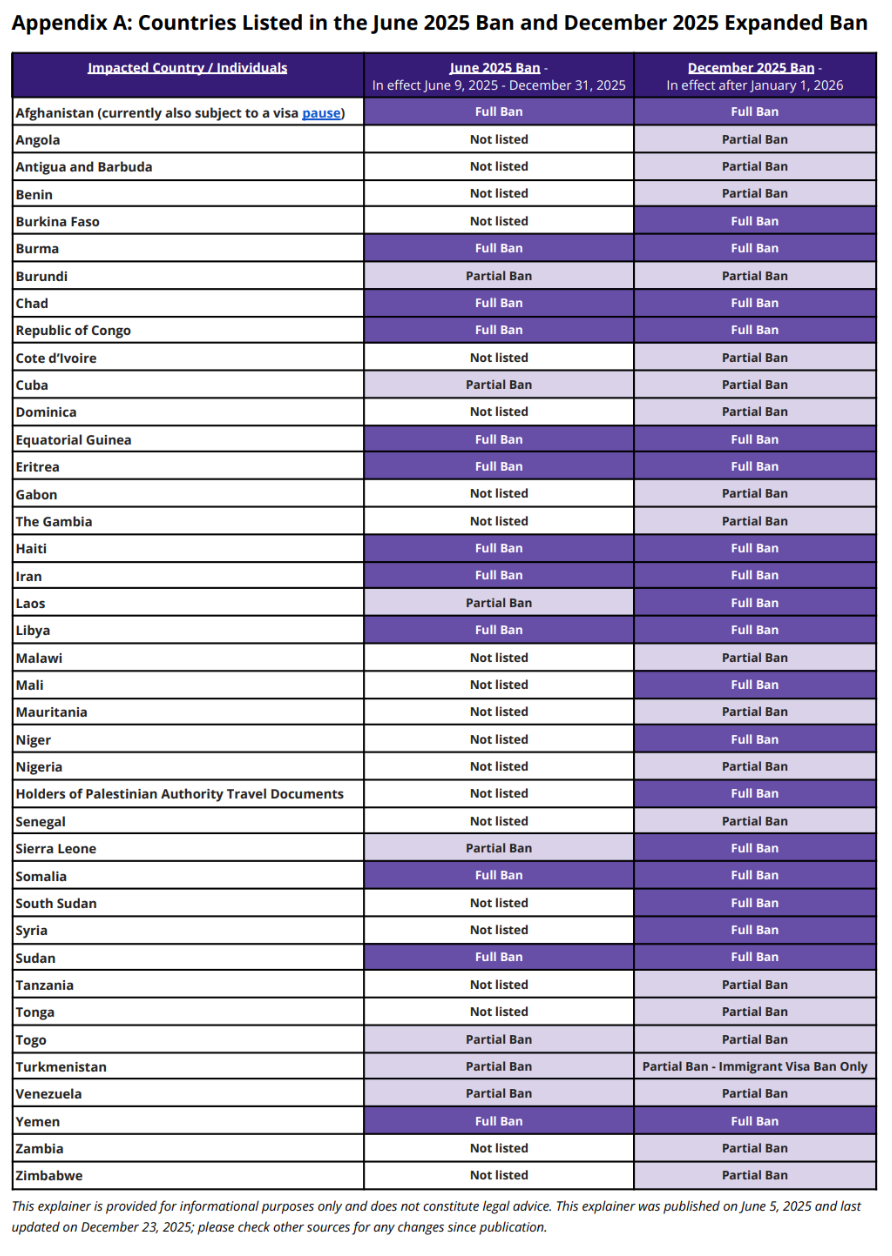
Beginning January 1, 2026, the Trump Administration’s restrictions on immigrant and non-immigrant entry to the United States, also known as the “Travel Ban”, will impact 39 countries.

At your marriage-based green card interview, a USCIS officer will investigate the legitimacy of your marriage (ensure that it is bona fide ). USCIS officers will use both evidence, such as bank statements and a marriage certificate, as well as your answers to the questions in the interview, to decide on your case.
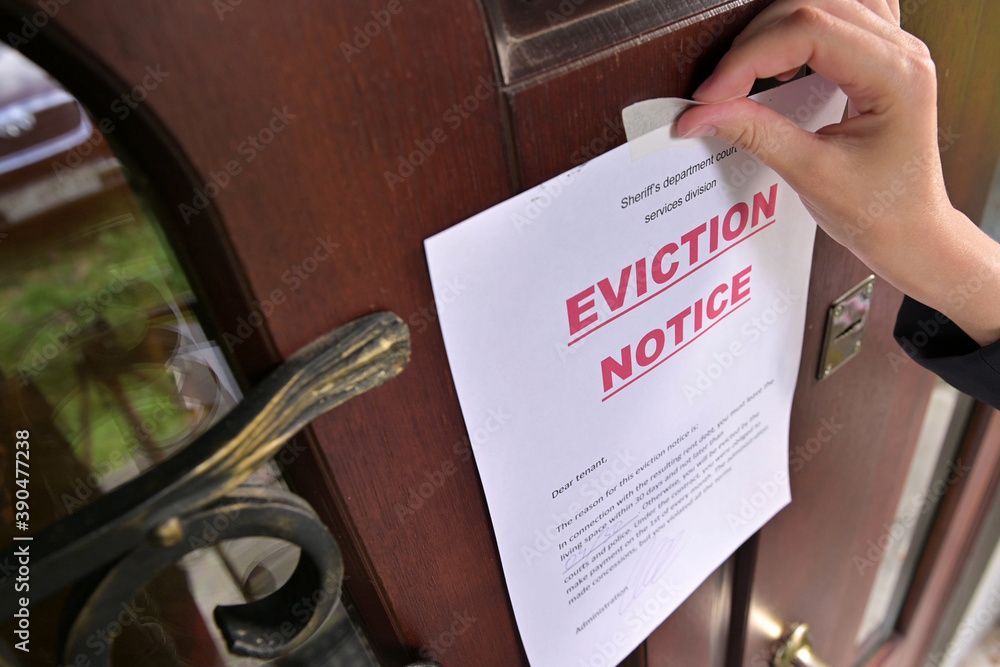
The Good Cause Eviction law aims to protect New Yorkers from unreasonable eviction or rent increases. This law specifically protects many New York City tenants in unregulated homes. If your home is covered by this law, the landlord will need to provide a “good cause” reason to end a tenancy.
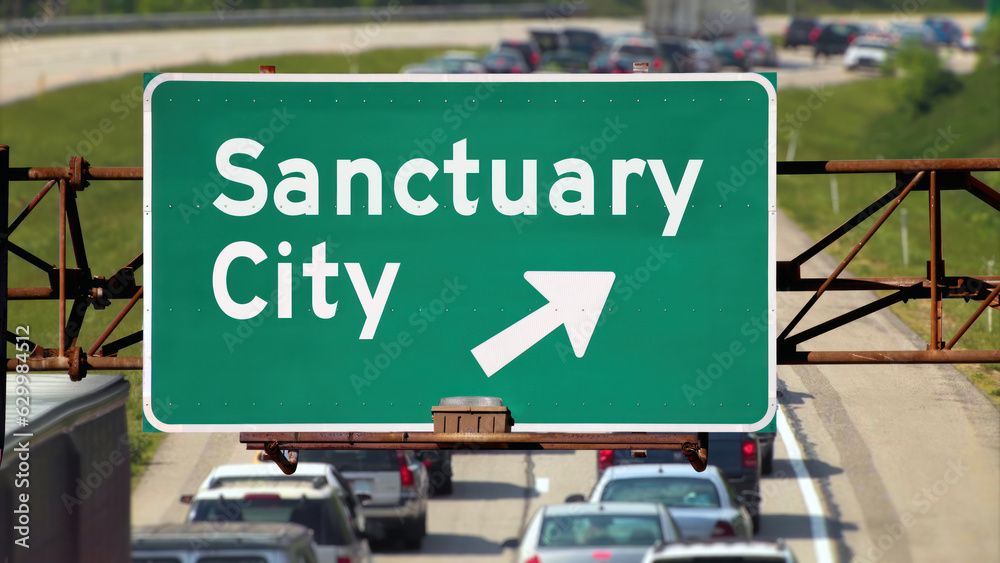
Sanctuary policies aim to create safe cities.
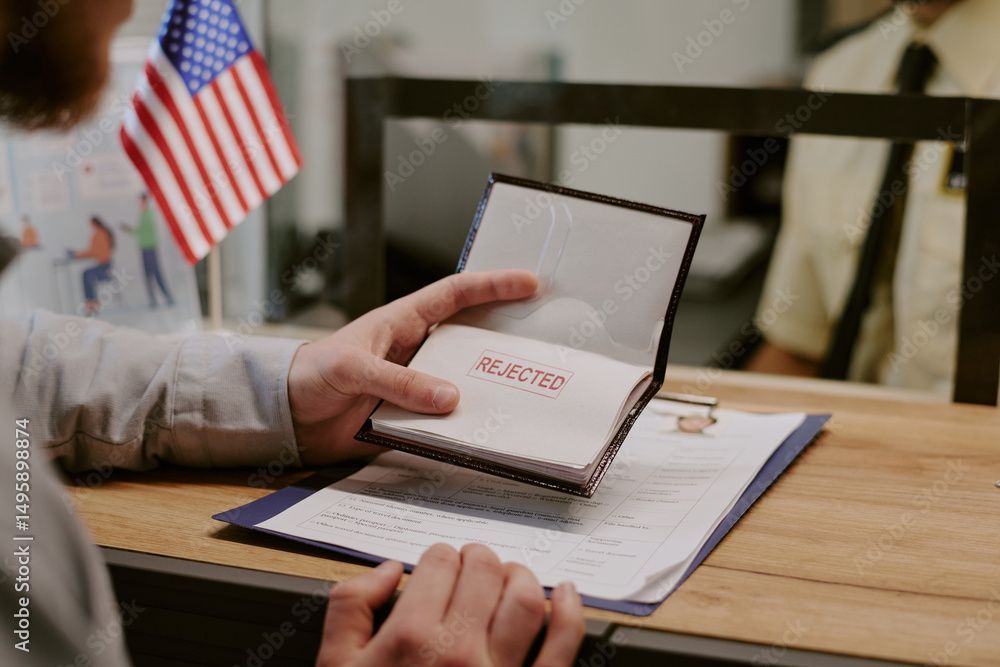
Yes. In many cases, you still have options to file an appeal or a motion after a negative decision on your case.

What is VAWA? The Violence Against Women Act (VAWA) is a federal law in the United States that gives legal protection to victims of domestic violence, sexual assault, and other related crimes. One of the benefits of VAWA is that it provides a pathway to immigration for victims of domestic abuse who otherwise would need to rely on their abusers for sponsorship. As you may have learned from our other articles on the adjustment of status (AOS) process, it generally relies on a U.S. citizen or permanent resident filing a petition for your application for a green card. This means that your application is reliant on and controlled by your family member, who is a citizen or LPR, until your application is successful. In the case of marriage-based AOS, you can remain reliant on your marriage for immigration status even after you are granted a green card. VAWA allows qualifying applicants to self-petition for immigration status, meaning that they can apply for adjustment of status without a sponsor. The applicant will not be reliant on their abuser for immigration status. Instead, they can file independently.
Although a marriage certificate is necessary to prove that your marriage is legally binding, it is not sufficient proof of a bona fide marriage. You will need to gather and show additional evidence of your and your spouse’s relationship and life together after marriage.

Certain facts about you and your spouse can make USCIS more likely to think that your relationship is for immigration benefits and not bona fide.
You are entitled to a timely decision on your case.